Carbon fiber products have been widely used in many fields such as aviation, national defense and aerospace, pressure vessels, ocean, and automobiles.
1.Types and characteristics of carbon fiber for civil aircraft (civil aviation and civil helicopters)
Carbon fiber types: T700G, T800S carbon fiber
Initially, the use of carbon fiber by Toray was limited to secondary aircraft structures (such as seats, hatches, specific partitions, etc.). As the advantages of carbon fiber materials became more prominent, the use of this material was later extended to major structural components such as wings, fuselages, rudders and engines.
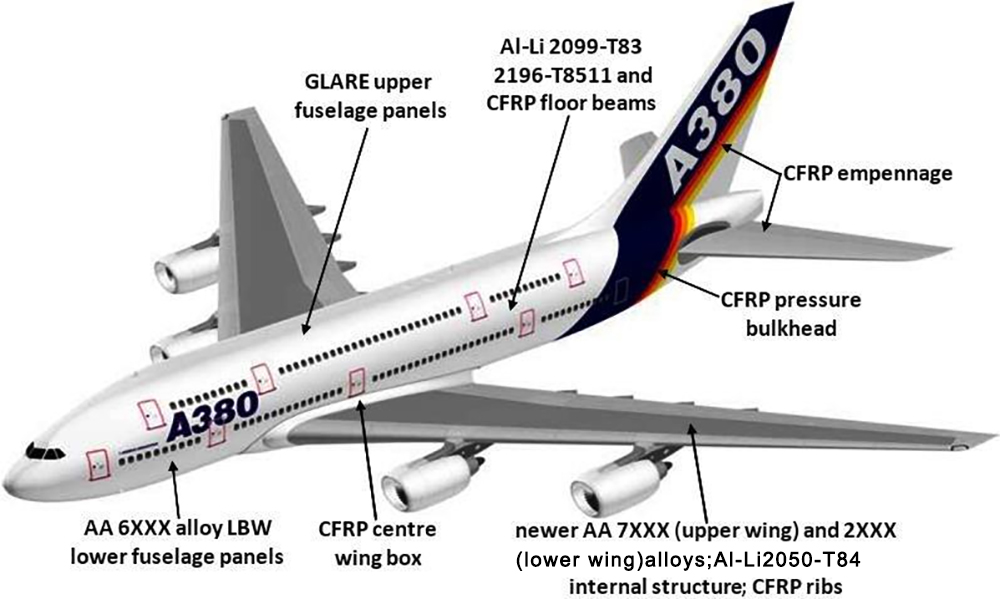
T700G: As an aviation-grade carbon fiber, it has a higher tensile modulus and better fiber-matrix adhesion, and is particularly suitable for composite structures subjected to transverse mechanical stress.
T800S: A second-generation aviation-grade carbon fiber that combines medium modulus fiber properties with industrial-scale uses, making it the fiber of choice for major aviation structures.
2.Types and characteristics of carbon fiber for military aircraft (fighters and military helicopters)
Carbon fiber types: T300/T300J, T800H carbon fiber Since its establishment, Toray Carbon Fiber Europe has been supporting the European defense industry. The company's carbon fiber has been verified and applied in many military aircraft and helicopter projects including Airbus A400M, Dassault Rafale fighter, Airbus Helicopters NH90, etc.
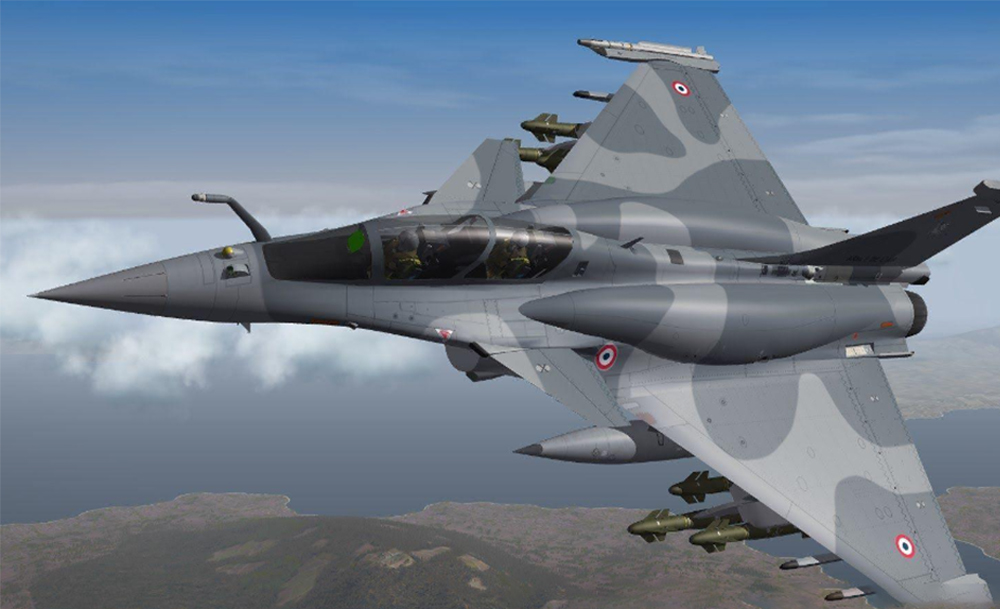 T300/T300J carbon fiber is the first Torayca® carbon fiber produced in Europe. while T800H carbon fiber, as a medium modulus fiber, is mainly used in advanced aerospace projects.
3.Types and characteristics of carbon fiber for drones
Carbon fiber type: M40J, M46J high modulus carbon fiber In the field of unmanned air vehicles (UAVs), the extensive use of carbon fiber can make them lighter, faster and fly farther.
The latest generation of drones uses Toray M40J and M46J carbon fiber because of its high tensile strength and high modulus, extraordinary lightness and durability, and excellent mechanical properties and corrosion resistance make drones fully suitable for operation in land or marine environments.
4.Types and characteristics of carbon fiber for satellites and spacecraft
Carbon fiber types: M55J, M60J high modulus carbon fiber
The space environment is extremely harsh, and extreme changes in temperature cause traditional materials to deform, making carbon fiber the only material that can withstand these conditions, especially high modulus carbon fiber composites with high strength, high stiffness and lightweight characteristics.
Torayca® M55J and M60J high modulus carbon fibers can provide unparalleled lightness and dimensional stability. Representative applications include: solar panels, reflectors, antennas, satellite trusses, etc.
5.Types and characteristics of carbon fiber for the automotive industry
Carbon fiber types: A variety of carbon fibers from low-end to high-end
Compared with traditional materials, carbon fiber composites can significantly reduce the weight of vehicle structures: 30% compared to aluminum and 70% compared to steel. Toray's expertise and experience in Formula One and other motorsports help automakers push the boundaries of technology, especially today's Formula One car structure, 70% of which is made of carbon fiber. In addition to weight reduction, increased rigidity and improved heat resistance, the use of carbon fiber composites also significantly improves driver safety.
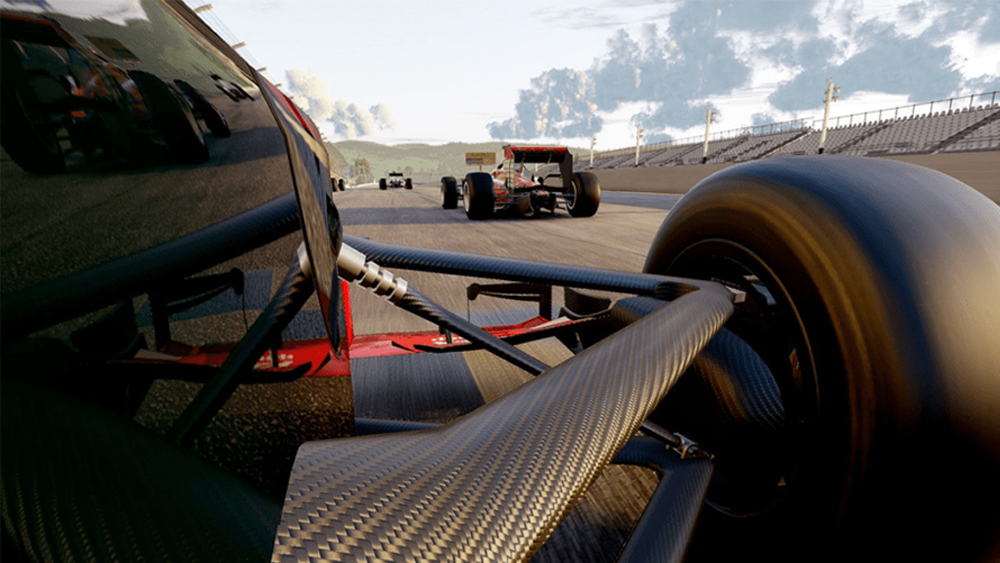
T300: Due to its high product quality, T300 in 1K, 3K and 6K specifications is very suitable for automotive interior applications.
T800H, T1100G: Medium modulus carbon fibers used in Formula 1.
M40J, M46J and M55J: Mainly designed for applications requiring high tensile strength and high modulus in high-end automotive structures.


